Opera for beginners
Going to the opera for the first time is easier than it looks, and a little preparation makes the evening far more enjoyable.
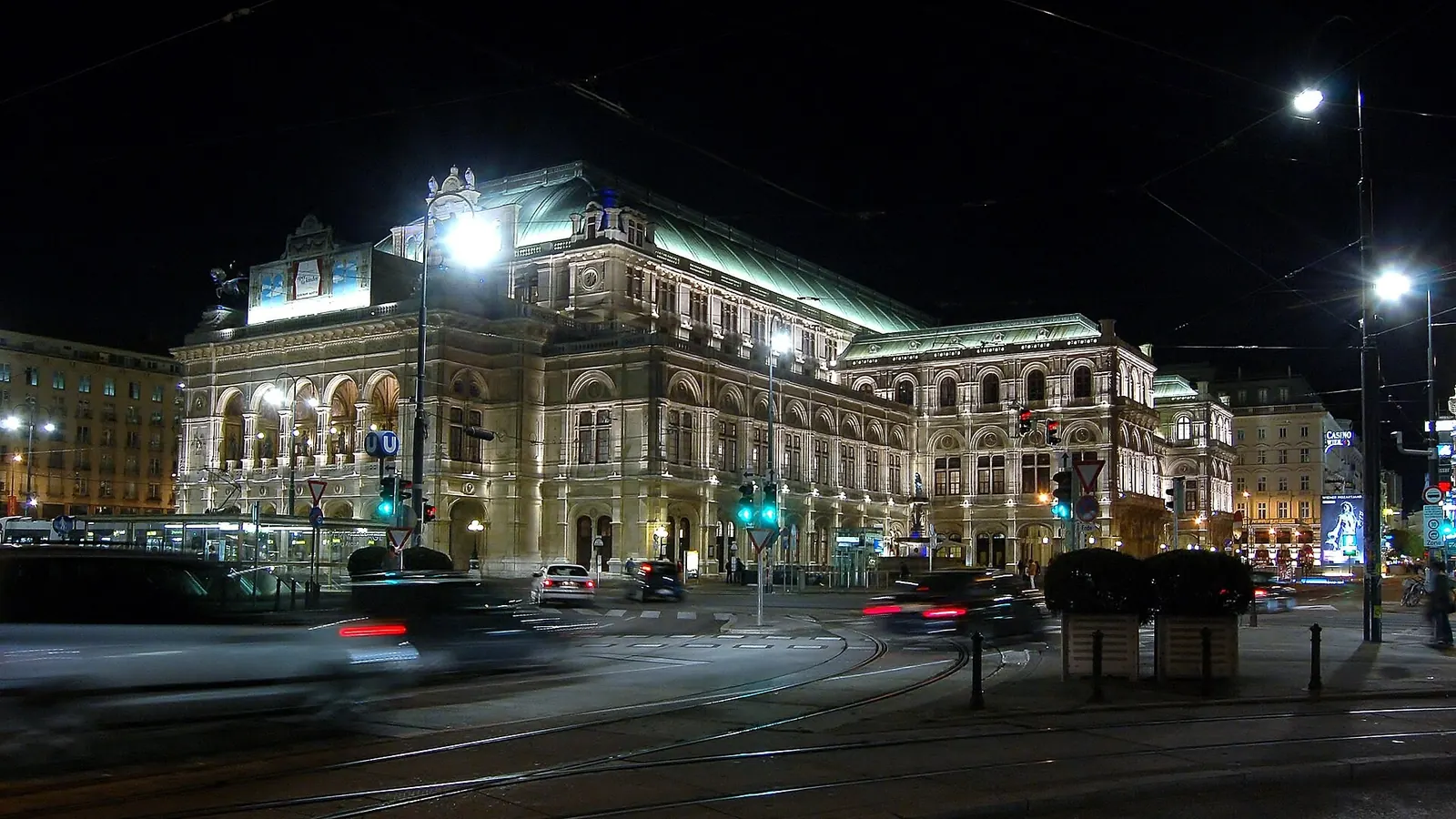
Opera has a reputation for being grand and hard to approach. In practice it is a story told through music, and you do not need any special knowledge to follow it. This guide covers what to expect on the night and which works make a gentle introduction.
What happens at an opera
An opera is a staged drama in which the characters sing most or all of their lines, accompanied by an orchestra in the pit in front of the stage. A conductor leads the orchestra and keeps singers and players together.
Most operas are divided into acts, with one or more intervals between them. Singers perform solo pieces called arias, as well as duets, trios and larger ensembles. A chorus often appears too, adding weight to crowd scenes and celebrations.
How surtitles help
Many operas are sung in Italian, German, French or Russian. Most opera houses display a translation on a screen above the stage or on small seat-back displays. These are called surtitles.
- They give you the gist of what is being said, not every word.
- Glance at them when you need them, then return to the stage.
- Reading the plot summary beforehand means you will rely on them less.
How long to expect
Lengths vary a good deal. Some comic operas run around two hours, while the longest works stretch to four or five hours including intervals. Check the running time when you book, and allow for the interval or two. Arriving fifteen to twenty minutes early gives you time to find your seat and read the programme.
What to wear and how to behave
There is no strict rule on dress. Many people wear smart casual clothes, some dress up for a special occasion, and either is fine. Choose something comfortable, since you will be sitting for a while. Switch off your phone, save applause for the end of a piece or scene, and feel free to join in when the audience cheers at the final bow.
A few approachable first works
- La bohème (Puccini): a short, moving story of young artists in Paris, with some of the most memorable melodies in the repertoire.
- The Magic Flute (Mozart): part fairy tale, part comedy, with spoken dialogue and tunes that are easy to love.
- Carmen (Bizet): a fast-moving drama full of tunes you will probably recognise already.
- The Barber of Seville (Rossini): a lively comedy of disguises and mistaken identities.
- Eugene Onegin (Tchaikovsky): a more reflective story with lush, romantic music. You can read more in our Eugene Onegin post.
Making the most of the evening
Listen to a few highlights beforehand so the music feels familiar, and read a short synopsis of the plot. If you enjoy the evening, try something different next time, perhaps a concert at a smaller venue such as the one described in our Wigmore Hall post. You can also browse the events diary for upcoming performances, or see the audio and video page to hear some music first.
Above all, relax. Opera is meant to be felt as much as understood, and a first visit is simply a chance to see whether it speaks to you.