Eugene Onegin
Tchaikovsky's opera turns Pushkin's verse novel into a quiet, painful story about love that arrives at the wrong moment.
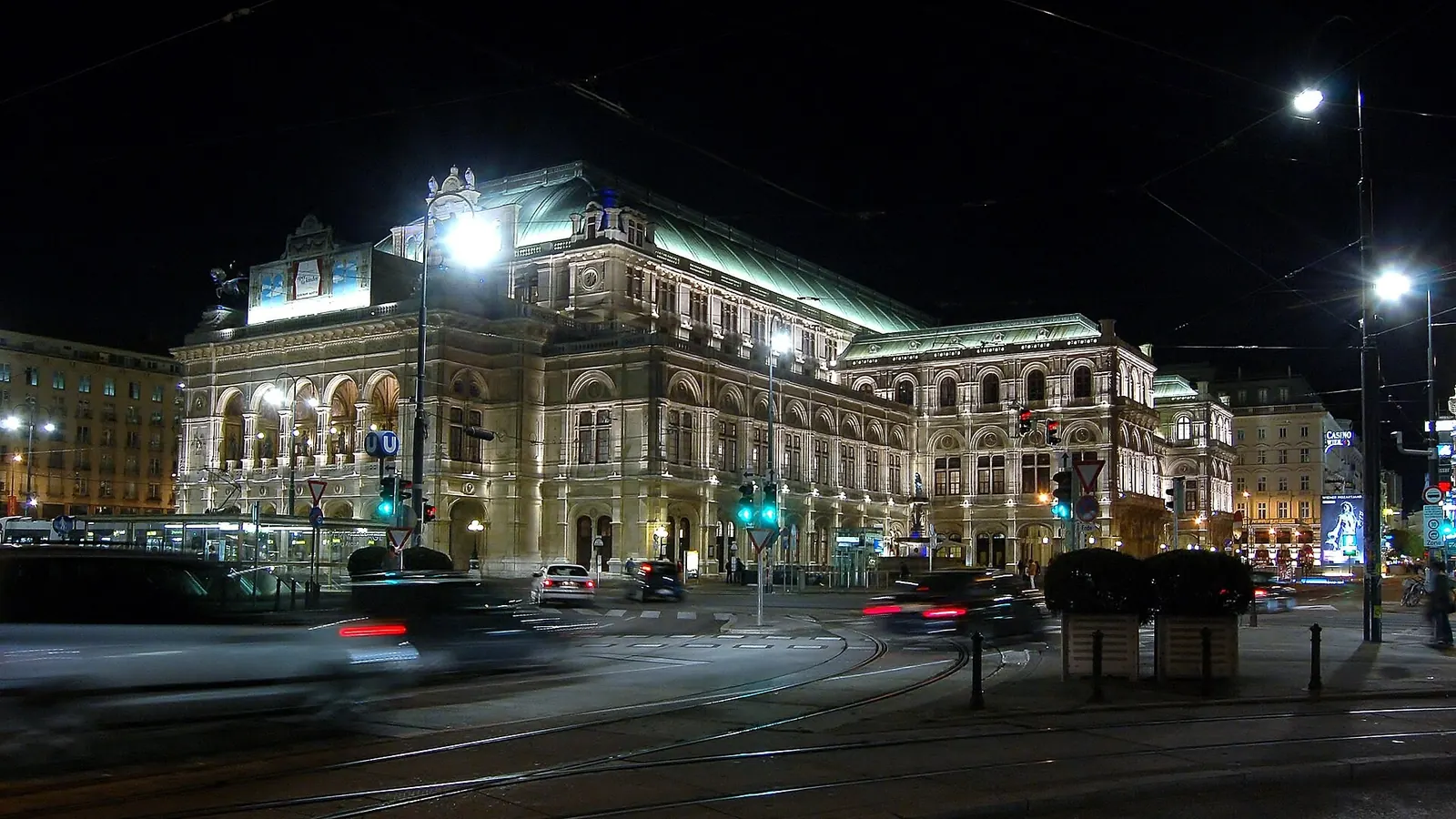
Eugene Onegin is one of the most loved Russian operas, and a good first opera for anyone who prefers feeling to spectacle. Tchaikovsky called it "lyrical scenes" rather than a grand drama, and that is a fair description. It is intimate, tuneful and easy to follow.
Where it comes from
The opera is based on the verse novel by Alexander Pushkin, a cornerstone of Russian literature. Tchaikovsky composed it in the late 1870s, and it was first staged in Moscow in 1879. He kept much of the novel's mood: gentle irony, country life, and a sense of chances missed.
The story in brief
- The country estate. Tatyana, a shy and bookish young woman, meets Onegin, a bored visitor from St Petersburg society. Her sister Olga is engaged to the poet Lensky, Onegin's friend.
- The letter. Tatyana writes to Onegin, confessing her love. He answers kindly but coldly, telling her he is not made for marriage.
- The ball and the duel. At a party Onegin flirts with Olga to pass the time. Lensky, hurt, challenges him to a duel, and Onegin kills his friend.
- Years later. Onegin returns, older and restless, and finds Tatyana married to a prince and poised in the highest society. Now he falls in love with her. She admits she still loves him, but she stays loyal to her husband and sends him away.
The letter scene
This is the heart of the opera. Alone at night, Tatyana writes and rewrites her confession, and the music follows her nerves, hope and daring in one long, flowing scene. Nothing is sung to impress anyone; she is simply thinking aloud. Listen for how the orchestra seems to breathe with her, rising as her courage grows and settling when she hesitates.
What to listen for
- Lensky's farewell aria before the duel, a tender tenor lament for a life he may lose.
- The waltz and the polonaise, which bring dance rhythms and social glitter to the ball scenes.
- The reversal at the end. The music of the letter scene returns in spirit, but now the roles are swapped, and Onegin is the one who pleads.
- The ending itself. There is no tidy resolution, just a door closing.
Tips for a first visit
Read a short synopsis beforehand, and check whether the performance is sung in Russian with surtitles. The pacing is gentle, so let the scenes unfold rather than waiting for big moments. If you enjoy it, you may like to explore other Russian repertoire, or look at our events diary and musicians for live music ideas.