What concerts cost and why
Ticket prices for classical music can look confusing, but a few simple factors explain most of the differences, and there are plenty of ways to hear great music for less.
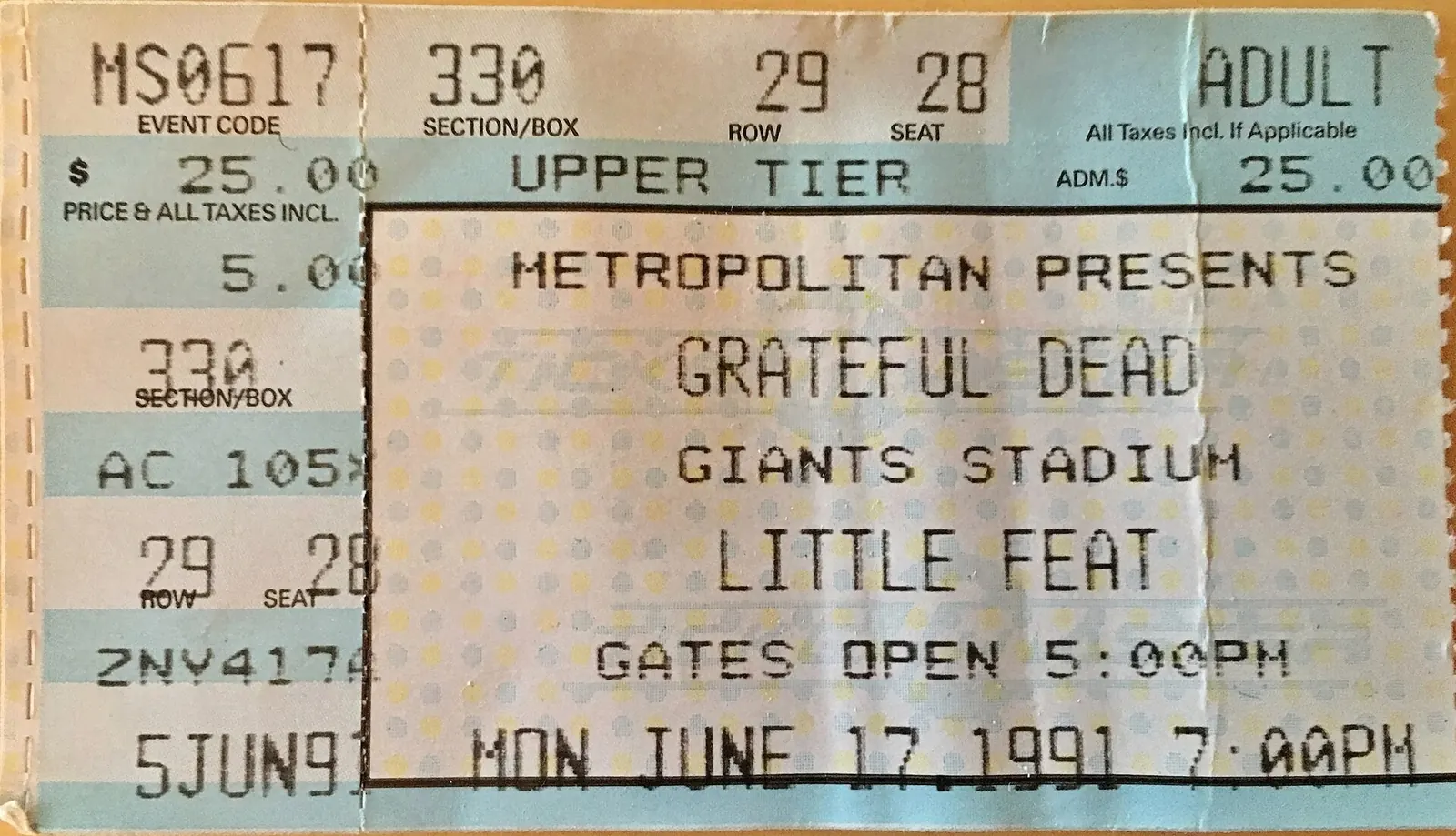
Two concerts on the same evening can have very different ticket prices. That is not random. A handful of ordinary factors shape what you pay, and once you know them it becomes much easier to choose an evening that suits your budget.
Why prices vary
The venue
A large concert hall has high running costs: staff, lighting, heating, maintenance and the building itself. A small church or a village hall costs far less to run, and tickets usually reflect that. Central city locations tend to cost more than smaller towns.
The seat
Within one hall, seats are priced by view and sound. Seats with a clear sightline or a balanced sound sit at the upper end. Seats at the side, high up or with a partly restricted view cost less, and many people find the sound there perfectly good.
The performers
A full symphony orchestra with a choir and a international soloist involves many more people than a piano trio. More musicians, more rehearsal time and more travel all add to the cost of putting on the evening. Well-known soloists also draw bigger audiences, which affects pricing.
The programme
Opera and staged works need sets, costumes, extra rehearsal and technical crews. A plain recital with one instrument is much simpler to stage.
Demand and timing
Weekend evenings and festive favourites sell quickly and often cost more. Weekday afternoons and less familiar repertoire are usually gentler on the wallet.
Ways to enjoy music on a modest budget
- Open rehearsals. Some orchestras and ensembles let audiences sit in on a rehearsal. You hear how a piece is shaped, often for much less than a performance.
- Standing places. Some halls and opera houses keep a small number of standing spots for each performance, usually sold close to the day.
- Free lunchtime recitals. Many churches, colleges and concert halls host short midday concerts, often free or with a small donation. They are a lovely way to hear young professionals and students.
- Student and concession tickets. If you are eligible, ask the box office what is available.
- Cheaper seats. Choose a side or upper seat; you will still hear the whole performance.
- Smaller venues. Chamber music in a small room is often both intimate and affordable.
- Radio and recordings. Live broadcasts cost nothing and are a good way to discover what you like before buying a ticket. Our audio and video page is another place to start.
Planning your evening
Book early if you want the best choice of seats, but keep an eye out for late releases too. Check the venue's own website first, since that is where you will find the full range of options. If you would like company, our social events are a friendly way to share a concert, and you can see what is coming up in the events diary.
Have a question about getting started? Visit our enquiry page and we will be glad to help.