The LSO at the Barbican
A relaxed guide to hearing the London Symphony Orchestra in its home hall, from picking a seat to finding a bite beforehand.
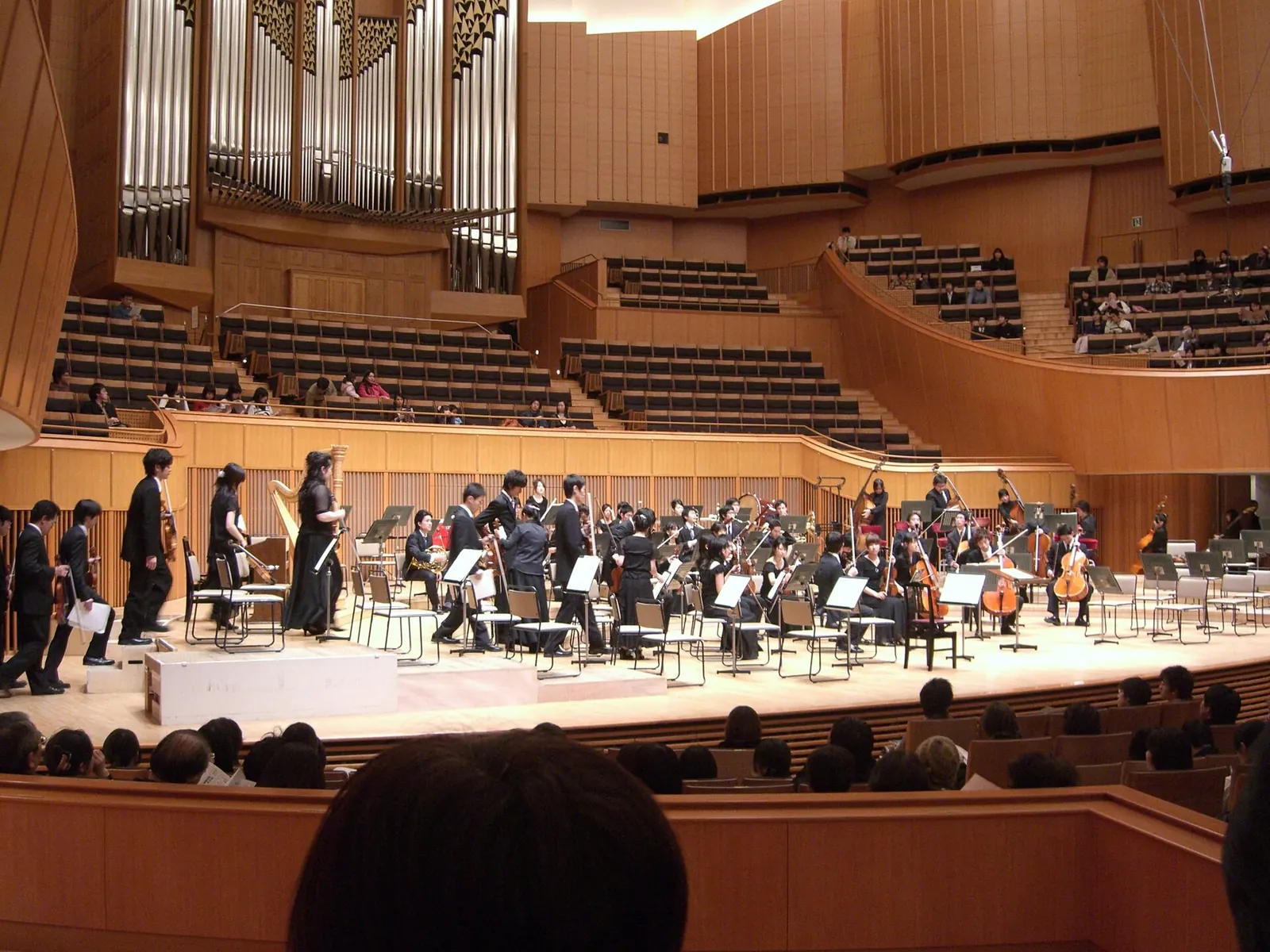
The London Symphony Orchestra is based at the Barbican Centre in the City of London, and an evening there is one of the great pleasures of the capital's concert calendar. The hall is large, the playing is sharp and confident, and the programmes often pair familiar favourites with something less expected.
The hall itself
The Barbican is part of a concrete arts complex that opened in the early 1980s. Some people find the building confusing on a first visit, with its raised walkways and long corridors. The concert hall is a wide, fan-shaped auditorium with a warm, clear sound, and the stage sits fairly close to the front rows.
Choosing your seat
- Stalls, middle rows: a full, balanced sound and a good view of the players.
- Front stalls: exciting for piano concertos and soloists, though the orchestra can sound less blended.
- Circle: a good overview of the whole stage and often a pleasing balance.
- Side seats: usually cheaper and fine for listening, but check whether part of the stage is hidden.
If you love watching a conductor's face, a seat towards the back of the stalls or at the side may show more than a seat directly behind the orchestra.
Getting there
The nearest Underground stations are Barbican, Moorgate and St Paul's, and all are within a short walk. Moorgate also has main-line rail connections. Allow extra time to find the right entrance, since signs inside the complex can be easy to miss. After the concert, the trains and Tube are usually busy for ten minutes or so, so a short stroll to a different station can feel calmer.
Eating beforehand
Evening concerts usually start around half past seven, so plan to eat early. The Barbican has its own restaurants and bars, which are convenient but can fill quickly. Nearby streets offer plenty of cafés and pubs. Book a table if you can, and let the staff know you have a concert to reach.
Small tips
- Arrive thirty minutes early to settle in and read the programme.
- Check the running time, as late finishes affect last trains.
- Switch off your phone completely before the music begins.
- Hold your applause between movements if you are unsure; the audience will usually guide you.
For more ideas on enjoying live music, see our events diary and the other posts on the blog, including a visit to Wigmore Hall.