In Elgar's footsteps
Edward Elgar's music is closely tied to the hills, rivers and country lanes of Worcestershire, and knowing the place makes the music easier to love.
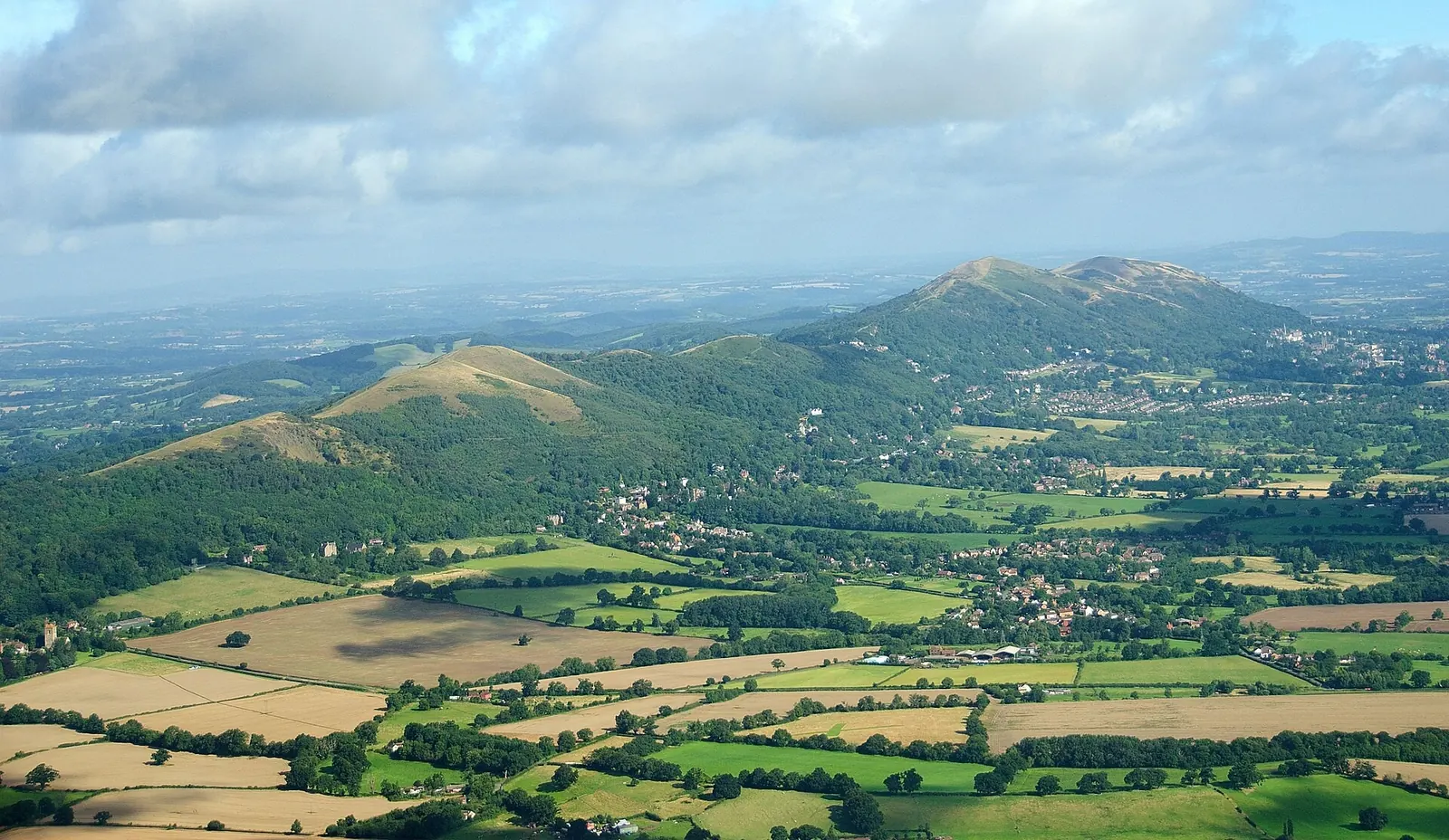
Edward Elgar was born in 1857 in the village of Broadheath, a few miles from Worcester. He grew up in a family that sold music and repaired instruments, and he taught himself a great deal by reading scores and playing in local groups. Much of his life was spent within sight of the Malvern Hills, and you can hear that countryside in many of his best-known works.
The landscape behind the music
The Malvern Hills rise sharply from the flat land of the Severn valley, forming a long ridge with wide views across Worcestershire, Herefordshire and beyond. Elgar walked and cycled here often. The River Severn, Worcester Cathedral and the surrounding orchards and woods all stayed with him. He lived in Malvern for a time, and later years brought him back to Worcestershire again and again.
Many listeners feel that the long, singing melodies and the sense of open space in his music come from this setting. It is a lovely idea, even if no one can prove it.
Pieces to hear first
- Enigma Variations – a set of short musical portraits of friends, ending in a grand finale. The slow "Nimrod" variation is the best known.
- Cello Concerto – a reflective work written after the First World War, quiet and deeply felt.
- Introduction and Allegro for strings – a rich piece for string orchestra, with a lively fugue near the end.
- Serenade for Strings – short, gentle and easy to enjoy on a first hearing.
- Pomp and Circumstance March No. 1 – the famous march, and a good reminder of his public side.
- The Dream of Gerontius – a large choral work for when you want something longer.
Making a visit of it
If you can, pair the listening with a walk. The ridge of the Malvern Hills has well-marked paths of different lengths, and a clear day gives views that make the music feel at home. The birthplace cottage at Broadheath is run as a museum, and Worcester Cathedral is also worth seeing. Details of both are easy to find online.
Hearing it live
Elgar is at his best in a concert hall, where the quiet passages and the full orchestral swell can both be felt. Our events diary is a good place to look for concerts, and our blog has more notes on music and places worth visiting.