Budgeting for concerts
A little planning lets you enjoy a full season of live music without the spending creeping up on you.
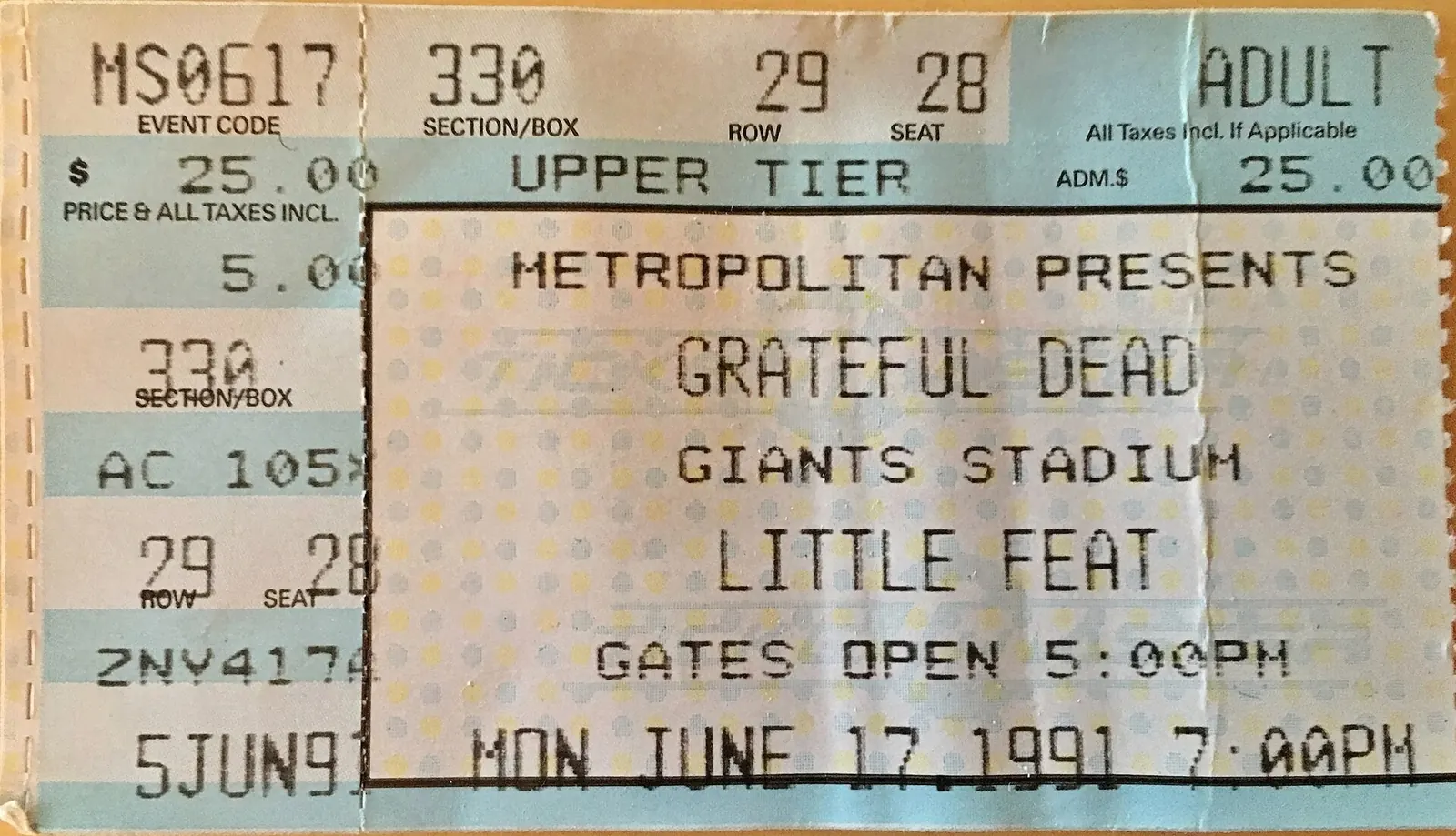
Live music is one of those pleasures that is easy to overspend on, one ticket at a time. Looking at the whole season in one go makes it much easier to decide what is worth saving for and what can be enjoyed more cheaply.
Start with a season total
Decide how much you are comfortable spending from autumn to summer, then work backwards. Remember that the ticket is only part of the cost. Travel, a meal beforehand, a programme and a drink in the interval all add up.
- Tickets
- Train, bus, fuel or parking
- Food and drink before or after
- An overnight stay, if the venue is far away
Choose a few special nights
Pick two or three concerts that you would hate to miss: a favourite symphony, a soloist you have long wanted to hear, or an opera in a lovely setting. Book these early, when choice of seats is widest, and treat them as the centre of your season.
Sitting a little further back or to the side is often a fine trade. Many halls have good sound in several areas, so the best seat is not always the most expensive one.
Fill the gaps with free and low-cost events
A surprising amount of good music costs little or nothing. Look out for:
- Lunchtime recitals in churches and cathedrals, often with a retiring collection
- Student and conservatoire performances
- Open rehearsals and community orchestra concerts
- Concerts in libraries, museums and galleries
These are also a good way to try repertoire you do not know yet, with very little risk. Our events diary is a handy place to start looking, and the links page points to useful listings.
Share the cost with friends
Going with others makes an evening more fun and saves money too. Sharing a car or a taxi can cut the cost of getting home late, and booking a table for a group meal is often easier than finding a space for one or two.
If you would like to meet people who enjoy the same music, see our social events and introductions pages. Agreeing in advance who is driving and how costs are split avoids awkward moments later.
Keep a simple record
A small note on your phone or in a notebook is enough. Write down what you planned for each concert and what you actually spent. After a season you will see where the money went and what you would do differently next time.
A quick checklist
- Set a total for the season.
- Pick two or three special nights and book early.
- Add free or low-cost concerts between them.
- Plan travel and meals with friends.
- Review at the end and adjust.
If you have a question about planning an evening, you can reach us through the enquiry page.