Why music is a social art
People have gathered to make and hear music for as long as there have been songs, and the reasons are still easy to feel in any concert hall.
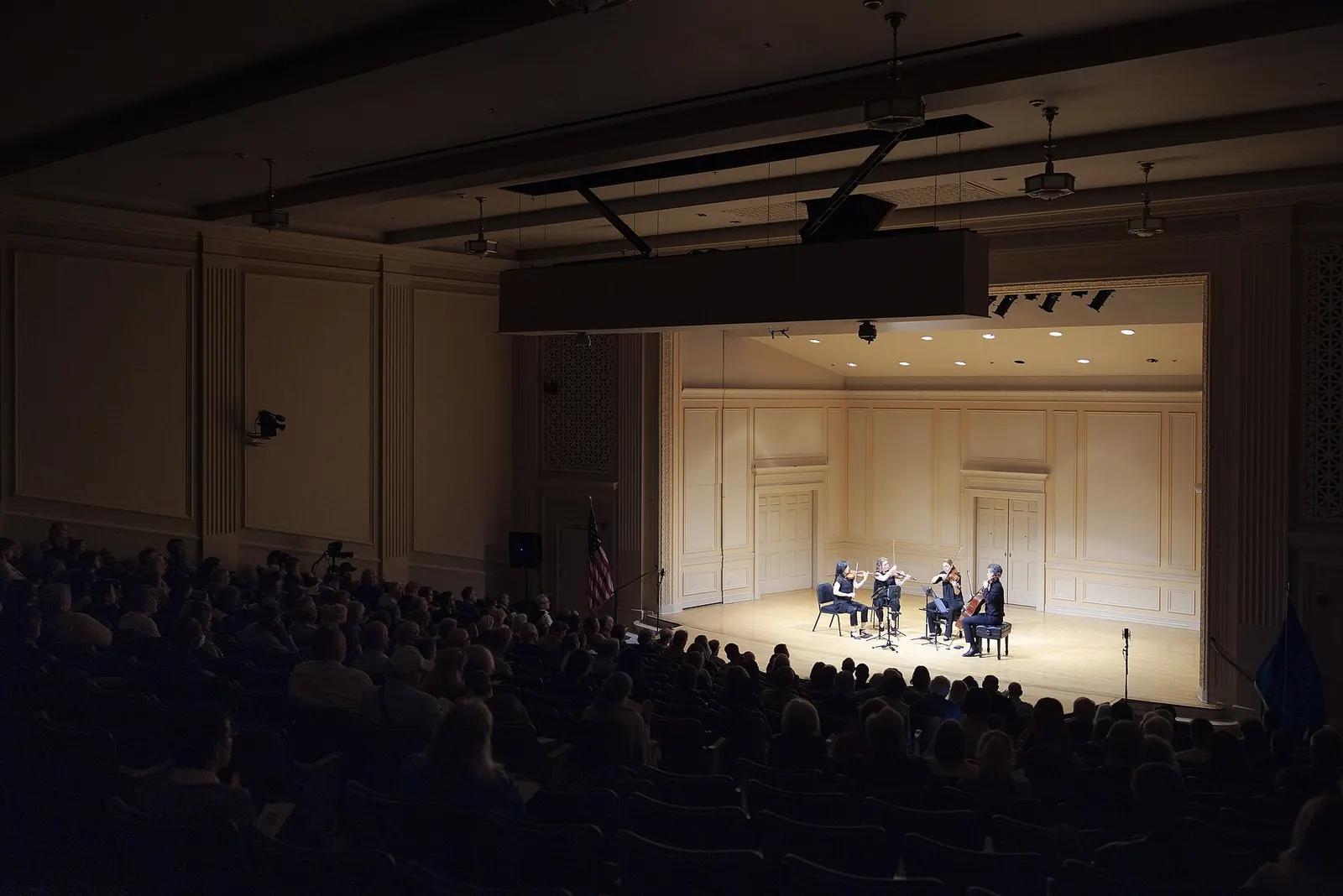
Music can be enjoyed alone, with headphones and a quiet evening. Yet most of us still head out to hear it live, often with friends. There is something about sharing a performance that a recording rarely matches.
Music began as a shared activity
Work songs, hymns, dances and lullabies were all made in company. Singing and playing together was part of daily life long before anyone thought of a concert as a ticketed event. The idea of music as something people do together runs deep.
From courts and salons to public halls
For centuries, much fine music was heard in churches, courts and private homes. In the salons of European cities, a small group would gather to hear a sonata, a song cycle or a string quartet, then talk about it afterwards. Chamber music takes its name from these rooms: music for a room, rather than for a vast hall.
In the eighteenth and nineteenth centuries, public concerts became more common. Subscription series, purpose-built halls and amateur societies opened music to a wider audience. The audience became part of the occasion.
Why live music feels different
- Shared attention. A room of people listening closely creates a particular kind of quiet.
- Visible effort. Watching players glance at one another and breathe together shows how the music is made.
- The unrepeatable moment. Every performance is slightly different, and everyone present hears that version once.
- Conversation. A concert gives you something to talk about in the interval and on the way home.
Choirs and chamber groups
Singing in a choir or playing in a small ensemble is perhaps the clearest example of music as a social art. Each person listens as much as they perform, adjusting to the others. Many people find that rehearsals bring friendships as well as better playing.
Good company makes good listening
Going to a concert with others can make unfamiliar music easier to approach. A friend's enthusiasm, a shared programme note or a chat over a drink can turn a first hearing into a lasting interest.
If you would like to see what is coming up, take a look at the events diary or read about our social events. You can also meet the performers on the musicians page, or listen first on the audio and video page.
A simple idea that lasts
Halls change, instruments improve and technology offers new ways to listen. The basic pleasure stays the same: people in a room, sharing sound and time together.